
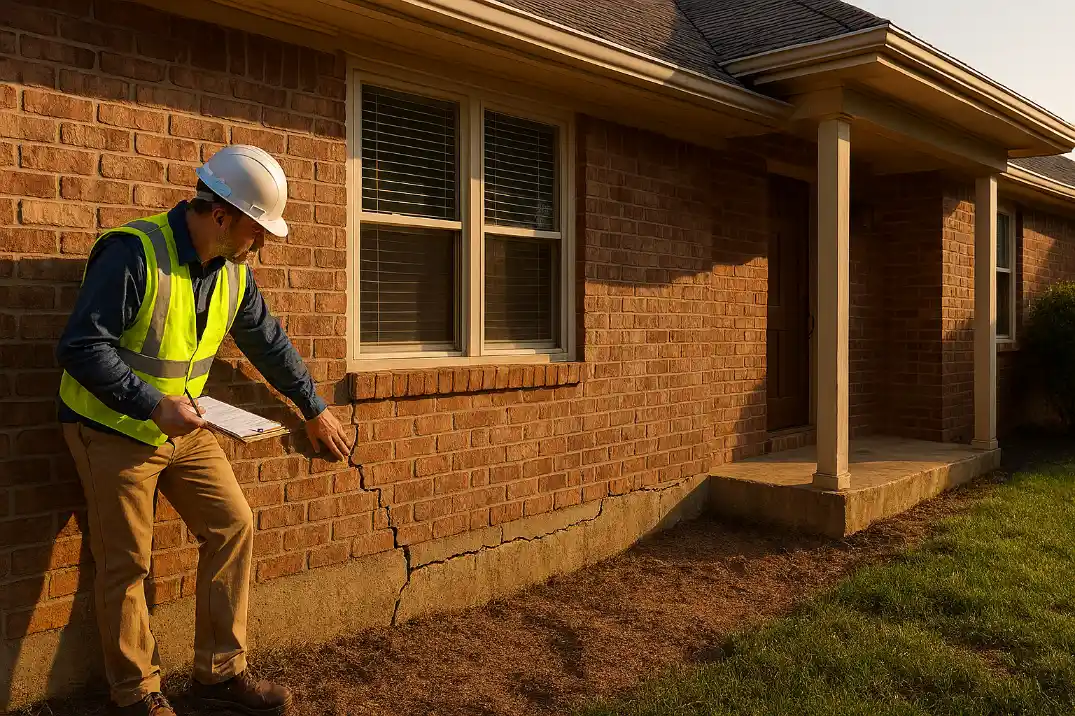
Commercial buildings depend on stable foundations to support their structural systems, equipment, occupants, and daily operations. Warehouses, retail centers, offices, industrial facilities, and other business properties may experience foundation problems due to settlement, soil movement, water intrusion, or construction defects. Commercial foundation repair helps address these conditions while accounting for the building’s intended use, structural requirements, and operational demands.
Foundation damage in a commercial property can affect more than the building itself. Uneven floors may interfere with equipment or material handling, while cracks and water intrusion can disrupt business activities. A well-planned repair project begins with an accurate assessment and considers how the work can be completed safely and efficiently.
Why Commercial Foundations Require Careful Planning
Commercial structures often have different loading conditions from residential properties. Warehouses may support heavy storage systems, industrial buildings may contain specialized machinery, and retail facilities must accommodate customers, staff, and equipment. These demands influence how foundation problems are evaluated and repaired.
Some commercial buildings also contain interconnected systems such as underground utilities, drainage infrastructure, loading docks, and mechanical equipment. Foundation work may affect these components, so project planning should identify potential conflicts before construction begins.
A professional assessment should consider the building’s use, structural layout, and operating requirements. In many cases, coordination among the property owner, structural engineer, contractor, facilities manager, and other specialists is essential.
Common Signs of Commercial Foundation Problems
Warning signs may include cracks in concrete slabs, uneven warehouse floors, separated masonry, sticking doors, and changes in the alignment of structural elements. Water accumulation near foundation walls or persistent moisture inside the building may also warrant investigation.
Industrial facilities may notice problems through equipment alignment, floor performance, or changes in loading areas. However, not every uneven surface indicates a foundation issue. Slab wear, damaged floor finishes, settlement of nonstructural components, and installation defects can produce similar symptoms.
Documenting the location and progression of the damage helps professionals evaluate the problem. If the condition affects structural components or creates an operational or safety concern, the area may need immediate assessment and appropriate access restrictions.
Causes of Commercial Foundation Damage
Soil settlement can occur when the supporting ground compresses unevenly under building loads. This may be associated with inadequate ground preparation, changes in soil moisture, erosion, or other site conditions.
Water management can be particularly important for large commercial properties. Extensive roofs, paved surfaces, loading areas, and underground drainage systems influence how water moves around a building. Blocked drains, damaged downspouts, leaking pipes, or poorly designed grading can contribute to localized soil problems.
Changes to the property can also affect foundation performance. New equipment, alterations to structural loads, nearby excavation, or additions may require engineering review to ensure the existing foundation remains suitable.
Identifying the cause helps determine whether the project requires structural support, drainage improvements, slab repairs, or a combination of measures.
The Importance of Engineering Assessment
Commercial foundation problems may require more detailed investigation because of the building’s size, structural complexity, or operational requirements. A structural engineer can assess the affected components, review loading conditions, and recommend suitable repairs.
Geotechnical input may be appropriate when soil behavior is a major concern. Plumbing or drainage specialists may also need to investigate water-related conditions. Coordinating these findings helps the project team establish a repair strategy based on the actual site conditions.
Engineering assessment is particularly valuable when damage is extensive, structural components have moved, or proposed repair methods differ significantly. It can also help determine whether temporary supports, phased work, or operational restrictions are necessary.
Commercial Foundation Repair Methods
The appropriate repair method depends on the foundation type and the source of the damage. Underpinning may be considered when additional support is needed beneath a structure. Selected concrete slab conditions may be suitable for specialized lifting or stabilization, while damaged foundation walls may require reinforcement or reconstruction.
Drainage corrections may be necessary when water contributes to settlement or intrusion. This work could involve repairing drainage components, correcting surface runoff, or addressing leaking underground utilities.
Commercial projects may require phased repairs to limit disruption. For example, work can sometimes be scheduled around operating hours or divided into sections so that unaffected areas remain accessible. The feasibility of these arrangements depends on the building’s condition and the repair requirements.
Minimizing Business Disruption
Before construction begins, property owners should work with the project team to understand how repairs will affect employees, customers, deliveries, equipment, and access routes. A clear schedule can help businesses prepare for temporary restrictions.
Contractors should explain which areas require isolation, whether noise or vibration is expected, and how materials and equipment will be moved through the site. Safety procedures should protect workers and building occupants throughout the project.
For operational facilities, communication is particularly important. Managers should know when specific areas will be unavailable and what alternative arrangements are required. A realistic schedule should account for inspections, material availability, and the possibility of unexpected conditions.
Evaluating Contractors and Project Costs
Commercial foundation repair contractors should have relevant experience, suitable insurance, and the qualifications required for the project. Ask for references from similar commercial or industrial properties and verify whether the contractor can coordinate with engineers and other specialists.
A detailed proposal should describe the repair method, work areas, materials, equipment, schedule, cost, exclusions, and responsibilities for permits or engineering documents. It should also explain how changes to the scope will be managed.
Costs depend on the extent of damage, access, foundation type, repair system, labor, materials, and the need for engineering or site restoration. Commercial projects may involve additional costs for traffic management, temporary access arrangements, or work outside normal operating hours.
Compare estimates based on equivalent scopes and consider the potential cost of prolonged disruption when evaluating project options.
Maintenance and Long-Term Asset Management
Commercial property owners should establish a routine for inspecting visible foundation areas, drainage systems, slabs, and other relevant structural components. Monitoring records can help identify changes before they become more difficult to manage.
Gutters, drains, and downspouts should be maintained, while plumbing leaks and persistent water accumulation should be addressed promptly. Changes in equipment loads or building use should be reviewed when they may affect structural requirements.
Keeping inspection reports, engineering documents, repair records, and warranties organized helps facilities teams plan future maintenance and support informed property management decisions.
Conclusion
Commercial foundation repair requires technical planning, coordination, and an understanding of how the building operates. The right solution depends on the structure, soil conditions, damage pattern, and business requirements.
By arranging a qualified assessment, coordinating engineering and construction work, and planning for operational continuity, commercial property owners can make better-informed decisions. Ongoing maintenance and accurate records then help protect the building as a long-term business asset.